

Water Used to Put Out a Fire Can Cause Hidden Damage That Spreads Fast
Water damage often makes fire-damaged properties worse. When firefighters put out a blaze, large amounts of water soak into floors, walls, and ceilings. That moisture can weaken the structure, cause mold, and spread smoke stains even after the flames are gone. If the water is not dried quickly, the home or building can suffer more harm than the fire alone caused.
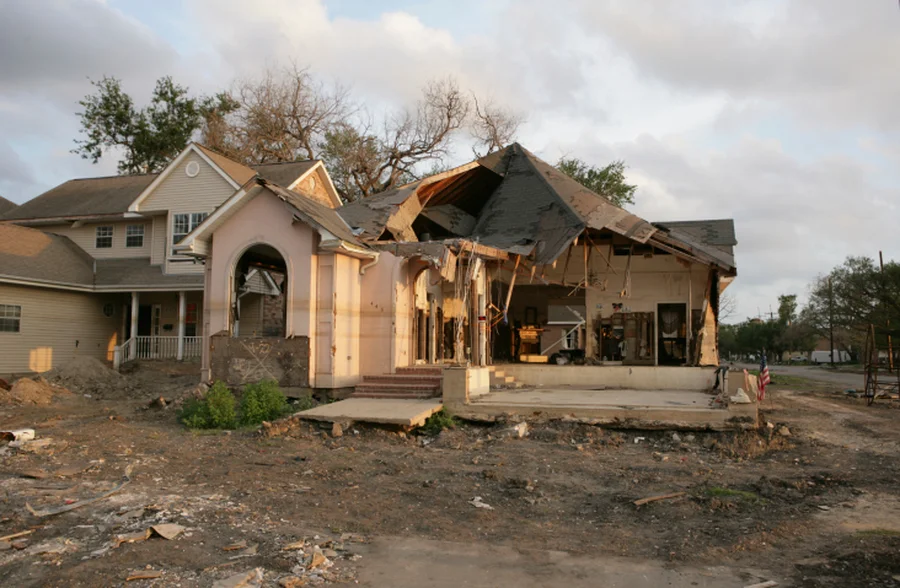
What You Need to Know Before Cleanup Starts
Before any repairs begin, you need to know how fire and water work together. Fire burns and weakens materials. Water then soaks into those already weak areas. Wet drywall crumbles. Wood swells and bends. Insulation traps moisture inside walls.
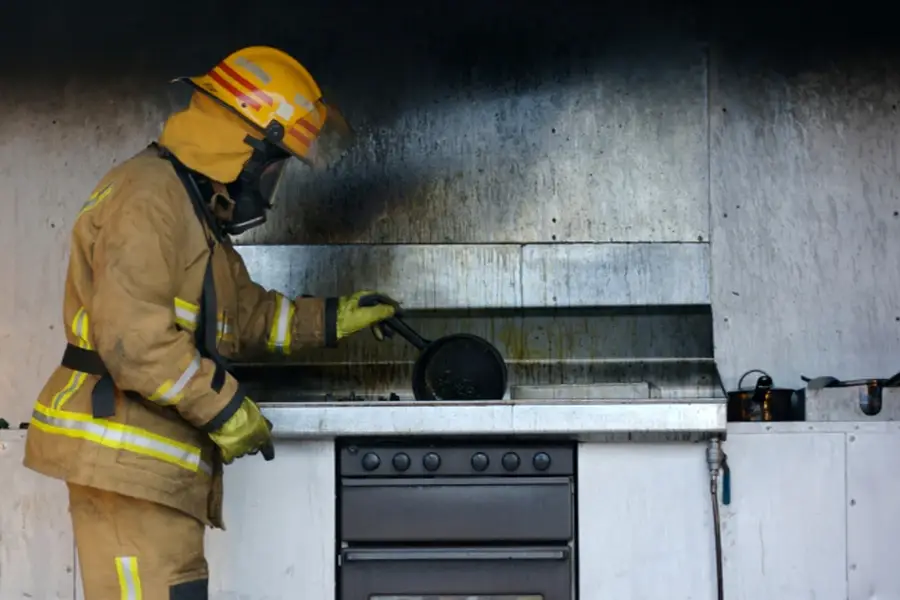
You also need proper safety gear. Fire-damaged buildings can have sharp debris, loose boards, and poor air quality. The air may contain soot and mold spores. Turning off electricity is also important if water is present.
Step-by-Step: How Water Damage Spreads After a Fire
Water damage does not stay in one place. It moves fast and keeps spreading if ignored. Here is how it usually happens:
- Water soaks into floors and carpets.
- Moisture seeps down into subflooring.
- Wet walls absorb water like a sponge.
- Humidity rises inside the structure.
- Mold begins to grow within 24 to 48 hours.
- Metal surfaces start to rust.
- Wood framing swells, cracks, or rots.
At the same time, soot mixes with water. This creates dark stains that spread across walls and ceilings. The longer the water sits, the worse these stains become.
Common Mistakes to Avoid
After a fire, many property owners focus only on what burned. They may not see the damage caused by water. That can lead to bigger problems later.
-
Waiting too long to remove standing water
-
Using household fans instead of commercial drying equipment
-
Closing windows and trapping moisture inside
-
Keeping wet carpets or insulation
-
Painting over water stains without drying the area
Another mistake is trying to handle everything alone. Fire damage restoration often requires special tools. Moisture meters and industrial dehumidifiers help find and remove hidden water. Without them, damp areas stay behind walls and under floors.
When Water Damage Becomes a Bigger Problem Than the Fire
In some cases, water damage affects more space than the flames did. A small kitchen fire may damage one room. But the water used to stop it can spread into nearby rooms and even down to lower levels.
This can lead to:
-
Soft or sagging ceilings
-
Buckled hardwood floors
-
Peeling paint and bubbling drywall
-
Strong musty odors
-
Visible mold growth
When mold starts to grow, repairs become more complex. Materials may need to be removed and replaced. Quick drying makes a big difference in how much must be rebuilt.
The Role of Professional Fire Damage Restoration
Fire damage restoration addresses both fire and water problems at the same time. The goal is to dry, clean, and repair the structure safely. Professionals remove standing water first. Then they use large drying machines to pull moisture from the air and building materials.
They also clean soot and smoke residue while drying takes place. This prevents stains from setting deeper into surfaces. In many cases, sections of drywall, insulation, or flooring must be removed to stop mold growth.
Fast action helps save more of the property. It can also reduce repair costs over time. The longer water sits, the more damage spreads behind the scenes.
Final Recommendation and Next Steps
If your property in Santa Fe, NM has suffered a fire, do not overlook the impact of water. Both types of damage work together to weaken the structure. At JC Remodel & Restoration LLC, we handle every stage of fire damage restoration, from water removal to full structural drying and repairs. Our team moves quickly to limit further damage and protect your property. Call (505) 356-2729 today so we can help you restore your space safely and completely.