

A Clear Action Plan to Clean, Dry, and Restore Your Property After Water Damage
The key steps in disaster recovery for water-damaged properties are stopping the water source, removing standing water, drying all affected areas, cleaning and sanitizing, repairing damage, and checking for hidden moisture. Acting fast helps limit structural damage and mold growth. Whether the water came from a busted pipe, storm flooding, or a leaking appliance, a simple step-by-step plan makes the process safer and more effective.
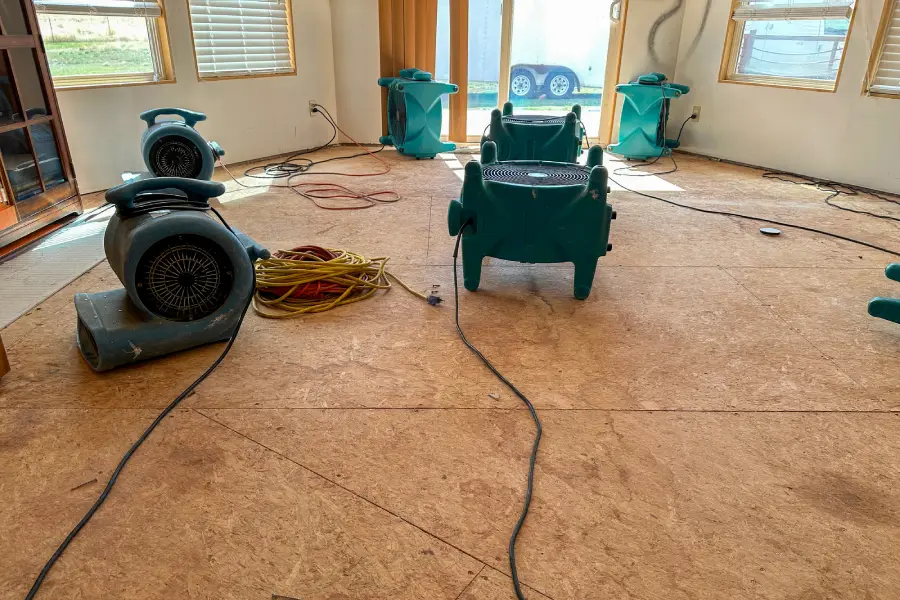
What You Need Before Starting Cleanup
Before you begin, safety comes first. Turn off electricity to affected areas if it is safe to do so. Wear rubber gloves, boots, and a mask. Wet materials can contain bacteria, especially after flooding.
Here are a few basic supplies that help:
- Wet/dry vacuum or pump
- Heavy-duty fans
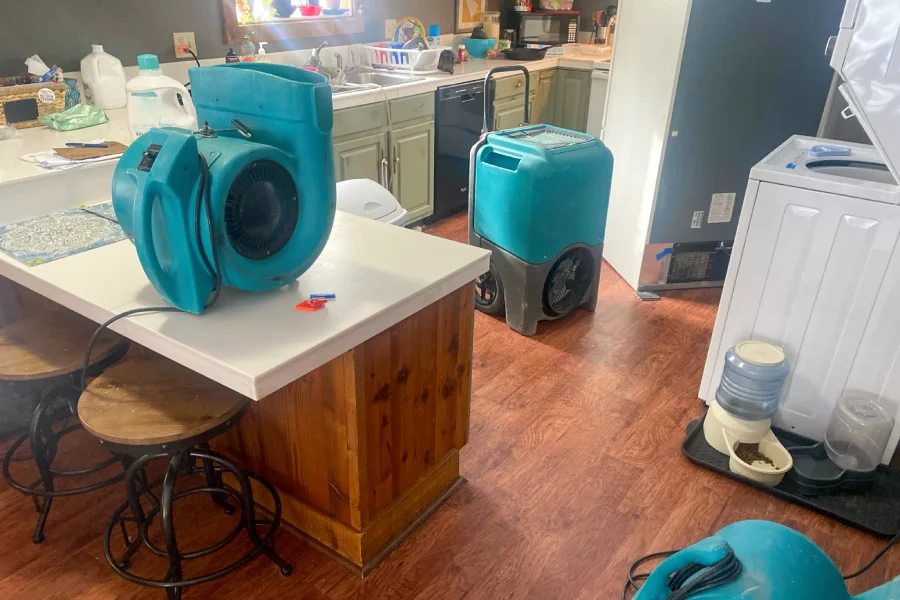
- Dehumidifiers
- Mops and buckets
- Cleaning solution and disinfectant
- Moisture meter if available
If the damage is large or involves sewage water, professional disaster restoration services are often needed. Some situations require special equipment and trained crews.
Step-by-Step Disaster Recovery Process
- Stop the water source. Shut off the main supply line or fix the leak. If the issue came from a storm, wait until it is safe outside.
- Remove standing water. Use a pump or wet vacuum. The faster you remove the water, the better.
- Move and protect belongings. Take furniture, rugs, and personal items to a dry area. Place foil or wood blocks under heavy furniture you cannot move.
- Dry the space completely. Use fans and dehumidifiers. Open windows if weather allows. Drying may take several days.
- Remove damaged materials. Wet drywall, insulation, and carpet padding often need removal if soaked for more than 24 hours.
- Clean and disinfect. Scrub all hard surfaces with approved cleaning solutions. This helps prevent mold growth.
- Inspect for hidden moisture. Check behind walls and under floors. Trapped moisture can cause long-term damage.
- Begin repairs and reconstruction. Replace drywall, flooring, and insulation once everything is fully dry.
This full process is part of professional disaster restoration, which focuses on bringing a property back to pre-loss condition safely.
Common Mistakes to Avoid
Many property owners mean well but make small errors that create bigger problems later.
- Waiting too long to start drying
- Leaving wet carpet padding in place
- Painting over damp drywall
- Forgetting to check inside cabinets and closets
- Using household fans without dehumidifiers
Mold can begin growing within 24 to 48 hours. Even if the surface looks dry, moisture may still be trapped inside materials. Skipping proper drying often leads to odor problems and structural rot months later.
When to Call a Professional
Small spills or minor leaks can sometimes be handled on your own. Large-scale damage usually requires expert help. Call a professional if:
- Water covered a large area
- The water is gray or black water
- Ceilings or walls are sagging
- You smell mold
- The property has been wet for over 24 hours
Professional disaster restoration teams use commercial drying equipment, moisture detection tools, and advanced cleaning systems. They also understand how to safely remove damaged structural materials. This is especially helpful in commercial spaces or multi-unit buildings.
If your insurance company is involved, restoration contractors often document the damage and work directly with adjusters. That can speed up the claim process and reduce stress during an already difficult time.
Get Trusted Help Restoring Your Property
Water damage can feel overwhelming, but quick action makes all the difference. Our team handles disaster restoration projects throughout Santa Fe, NM, helping property owners recover safely and efficiently. At JC Remodel & Restoration LLC, we use professional equipment and proven methods to dry, clean, and rebuild damaged spaces. Call us at (505) 356-2729 to schedule an inspection or get immediate assistance from our trained crew.