

Safe and Proven Methods for Removing Mold From Your Home
Effective mold removal and remediation use a clear process: find the source of moisture, contain the area, remove damaged materials, clean and treat surfaces, and dry everything fully. When done the right way, this process stops mold growth and helps keep it from coming back. Each step matters. Skipping one can lead to repeat problems and higher repair costs.
What You Need Before Starting
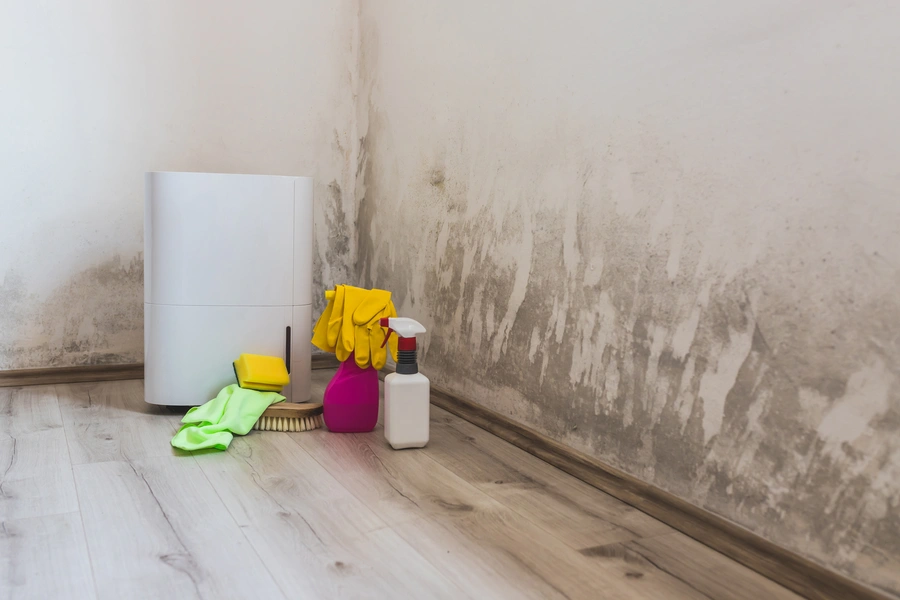
Before starting any mold removal project, you need to gather the right tools and safety gear. Mold spores can spread easily through the air. Proper prep helps protect your health and your home.
- N95 mask or respirator
- Gloves and safety goggles
- Plastic sheeting and tape
- Trash bags for disposal
- Scrub brush and cleaning cloths
- HEPA vacuum if available
- Fans and dehumidifier for drying
You also need to fix the moisture problem. This could be a leaky pipe, roof damage, or high indoor humidity. Cleaning mold without fixing the water source will not solve the issue.
Step-by-Step Mold Removal Process
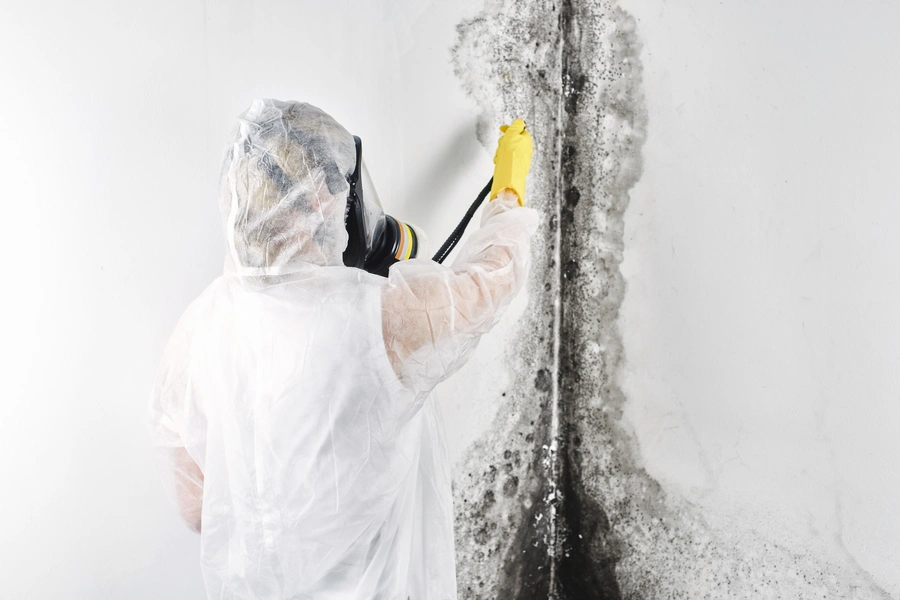
Professionals follow a set system to remove mold safely and fully. Here is a simple breakdown of how it works:
- Inspect the area: Find all visible mold growth and check nearby walls, ceilings, or floors for hidden damage.
- Stop the moisture source: Repair leaks, improve drainage, or lower humidity levels.
- Contain the area: Seal off the space with plastic sheeting to stop spores from spreading to other rooms.
- Remove damaged materials: Drywall, insulation, or carpet that is heavily affected may need to be removed and thrown away.
- Clean and treat surfaces: Non-porous surfaces are scrubbed with cleaning solutions designed to kill mold.
- Dry the area completely: Use fans and dehumidifiers to remove all moisture.
- Final inspection: Check that no visible mold remains and moisture levels are normal.
This step-by-step approach is the foundation of effective Mold Removal. It focuses on both removing existing growth and preventing future problems.
Common Mistakes to Avoid
Many homeowners try to clean mold with basic household cleaners and stop there. That often leads to repeat growth.
Here are common mistakes to avoid:
- Painting over mold without cleaning it first
- Ignoring small spots that keep coming back
- Using only bleach on porous materials
- Failing to wear protective gear
- Not drying the area fully after cleaning
Another mistake is disturbing mold without containment. Scrubbing dry mold can release spores into the air. These spores can settle in other areas and grow later. Proper containment and air control make a big difference in mold remediation results.
When to Call A Professional
Small areas of surface mold, less than about 10 square feet, can sometimes be handled safely with the right steps. Larger problems often need trained help. If mold is inside walls, under floors, or in your HVAC system, professional Mold Removal is strongly advised.
You should also call a professional if:
- You smell mold but do not see it
- Anyone in the home has breathing issues
- The damage followed flooding or major water loss
- Mold keeps returning after cleaning
Licensed technicians use moisture meters, air filters, and commercial drying equipment. They know how to remove mold without spreading it. They also check for hidden damage that may not be visible at first glance.
Final Recommendation and Next Steps
If you have mold growing in your property in Santa Fe, NM, fast action can limit damage and protect your indoor air. Our team at JC Remodel & Restoration LLC handles full Mold Removal and remediation using proven containment and drying methods. We work carefully and safely on every project. Call us at (505) 356-2729 to schedule an inspection and let us help restore your space the right way.