

Step-by-Step Guide to Restoring Your Home After Water Damage
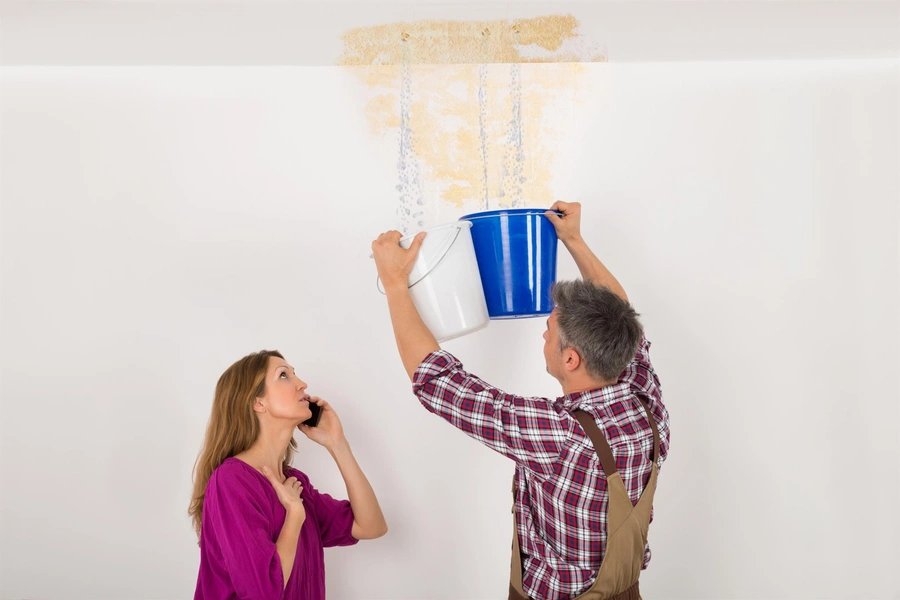
The water damage restoration process is a clear series of steps used to dry, clean, and repair a property after a leak, flood, or burst pipe. It starts with stopping the water source. Next comes water removal, drying, cleaning, and repairs. Each step is done in order to prevent mold, rot, and long-term damage. Acting fast makes a big difference in how much can be saved.
What You Need Before Starting
Before any work begins, safety comes first. Water can weaken floors and walls. It can also mix with electricity or sewage. Always check for hazards.
Here are a few things needed before starting water damage restoration:
- Protective gloves and boots
- Wet/dry vacuum or pumps
- Fans and dehumidifiers
- Moisture meter
- Basic cleaning supplies
If the damage is large, special drying equipment may be required. Heavy water damage often calls for trained crews with commercial tools.
Step-by-Step Water Damage Restoration Process
Every job is a little different. Still, most follow the same basic path. Here is how the process usually works:
- Stop the water source. Shut off the main water line or fix the leak. If the cause is weather, wait until conditions are safe.
- Inspect the damage. Check walls, floors, ceilings, and hidden spaces. Look for swelling, stains, and soft spots.
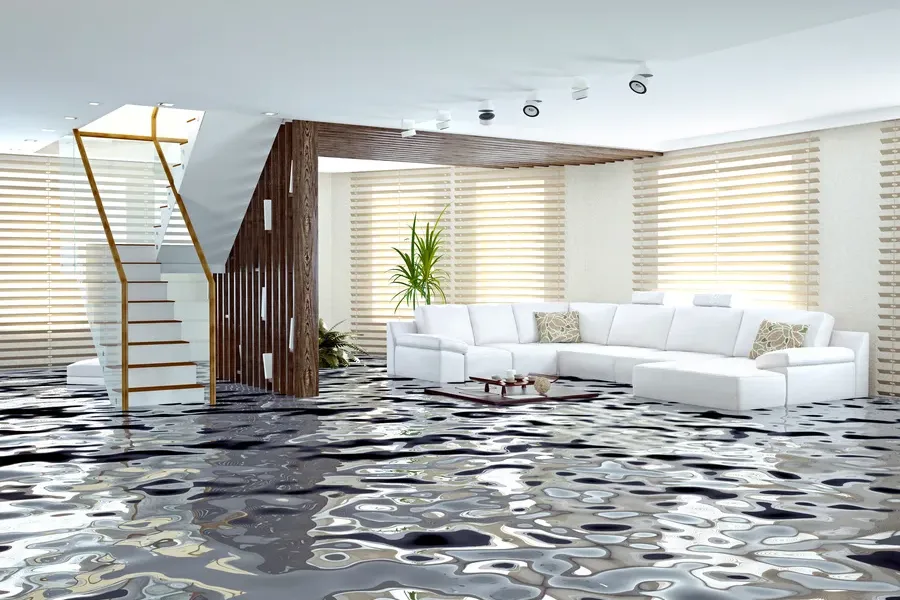
- Remove standing water. Use pumps or wet vacuums to pull out water. The faster this happens, the better.
- Dry the area. Set up air movers and dehumidifiers. Open cabinets and remove baseboards if needed to help airflow.
- Clean and sanitize. Wipe down surfaces. Apply antimicrobial products to prevent mold growth.
- Repair and restore. Replace damaged drywall, flooring, or insulation. Repaint and refinish as needed.
This full process may take a few days or several weeks. It depends on how much water entered the property and how long it sat.
Common Mistakes to Avoid
Many homeowners try to handle water damage on their own. Small spills can be managed. Larger losses are different. Here are mistakes that often make things worse:
- Waiting too long to start drying
- Not checking behind walls or under floors
- Using household fans instead of proper drying tools
- Failing to remove soaked insulation
- Painting over water stains without fixing the source
Moisture can hide inside wall cavities and subfloors. If left untreated, mold can begin growing within 24 to 48 hours. That can add repair costs and health concerns.
When to Call a Professional
Some cases are too large or risky for a DIY fix. If water covers a wide area, smells foul, or comes from a sewer backup, professional help is smart. The same applies if ceilings are sagging or floors feel weak.
Professionals use moisture meters and thermal cameras to find hidden water. They also follow industry standards during water damage restoration to make sure drying is complete. Insurance claims often require proper documentation, which trained teams can provide.
If you are unsure, it is better to ask than guess. Quick action can reduce damage and lower total costs.
How the Right Response Protects Your Home
A fast and organized response keeps damage from spreading. Dry materials are less likely to warp or crack. Clean surfaces are less likely to grow mold. Proper repairs bring your home back to its original condition.
Water damage restoration is not just about removing water. It is about restoring safety and comfort. Knowing the steps helps you stay calm during a stressful time. It also helps you make smart choices about repairs.
Need Help With Water Damage?
If your home in Santa Fe, NM has water damage, taking quick action matters. At JC Remodel & Restoration LLC, we handle every step of the water damage restoration process from inspection to final repairs. Call (505) 356-2729 to speak with our team and schedule an assessment. We are ready to help protect your property and restore it the right way.